Growing up multilingual: Why your home language matters
23/11/2026
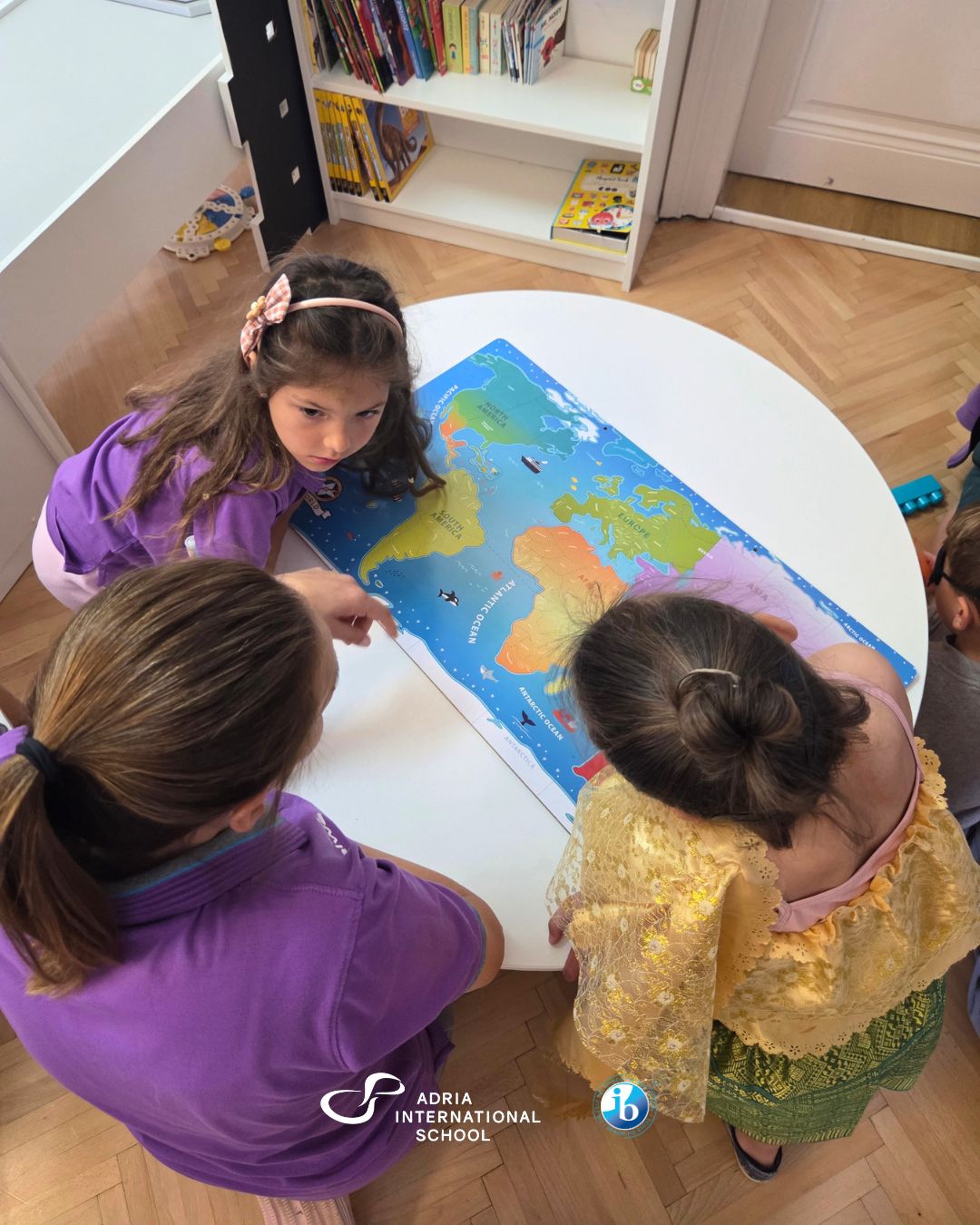
Growing up in an international school often means being surrounded by different languages every day. A child might speak one language at home, learn in English all day, and pick up a few more from friends in the playground.
If you’re a parent, you may have wondered: should we be speaking more English at home so our child does well at school?
The answer is usually no. Sticking with your home language is one of the best things you can do for your child’s learning and development.
Your home language is part of who you are
Language is more than a way to communicate. It connects children to their families, traditions and cultural identity.
When children keep speaking their home language, they can stay close to grandparents and relatives, share family stories and feel rooted in their background. If your family lives far from your home country, those ties can mean even more.
Does speaking several languages confuse children?
It’s one of the most common worries parents have: that juggling languages might confuse their child or hold them back.
It won’t. Children are remarkably good at learning more than one language, and moving between them is a normal part of growing up multilingual.
You may hear your child drop an English word into a sentence at the dinner table, or mix two languages in one breath. That’s called code-switching, and multilingual speakers of all ages do it. There’s no need to discourage it. Just keep speaking naturally and confidently in the languages you know best.

How does your home language help with learning?
A strong home language gives children a head start with every language that follows.
When a child builds vocabulary, storytelling skills, and understanding in one language, they carry all of that into the next. Take a child who already understands what seasons are in Croatian. They don’t have to learn the idea again in English, only the new words for it.
That’s why your home language still matters, even when most lessons at school are in English.
Easy ways to support it at home
You don’t need extra lessons or special activities. Everyday life gives you plenty of chances:
- Read books and tell stories in your home language.
- Chat about the day over family meals.
- Watch films, listen to music or play games in different languages.
- Encourage your child to talk with grandparents and relatives.
- Let them mix languages freely, and resist correcting every mistake.
Above all, keep it fun. Children use a language more when it feels good, and when it’s tied to people they love.
Celebrating languages at Adria
Our students come from many countries, and they bring their languages and traditions into our classrooms every day.
As an IB Continuum School, we care deeply about international-mindedness. We want students to take pride in their own cultural identity and be curious about everyone else’s.
Learning in English opens doors. Keeping a home language helps children remember where they come from. And for a multilingual child, picking up a new language doesn’t mean leaving another one behind.

Want to hear from us?
Join our mailing list- follow the news about the work of our school and free educational advice from our educational experts.

